Let’s Talk About Hearing
Hearing loss affects millions—and often goes untreated. Even today, one in five people lives with hearing impairment – by 2050, it will be one in four.
Hearing loss affects millions—and often goes untreated. Even today, one in five people lives with hearing impairment – by 2050, it will be one in four.

196 million people in Europe are currently affected. By 2050, that number will rise to 236 million.¹ The proportion of people living with a hearing impairment in European countries is around 15 to 20%. ² The number of people with this impairment will rise sharply by 2050, particularly as a result of demographic trends.
– Immanuel Kant
The Human Perspective Hearing loss impacts social participation and can lead to isolation and mental health issues. 34% of people with hearing loss associate it directly with depression.⁸ Personalized hearing solutions improve not only hearing but also quality of life. A study shows that 88% of people who improved their hearing report a “significant improvement in their lives.”⁹ Better hearing. Better living.
The Economic Perspective Untreated hearing loss causes annual costs of over $980 billion globally.¹
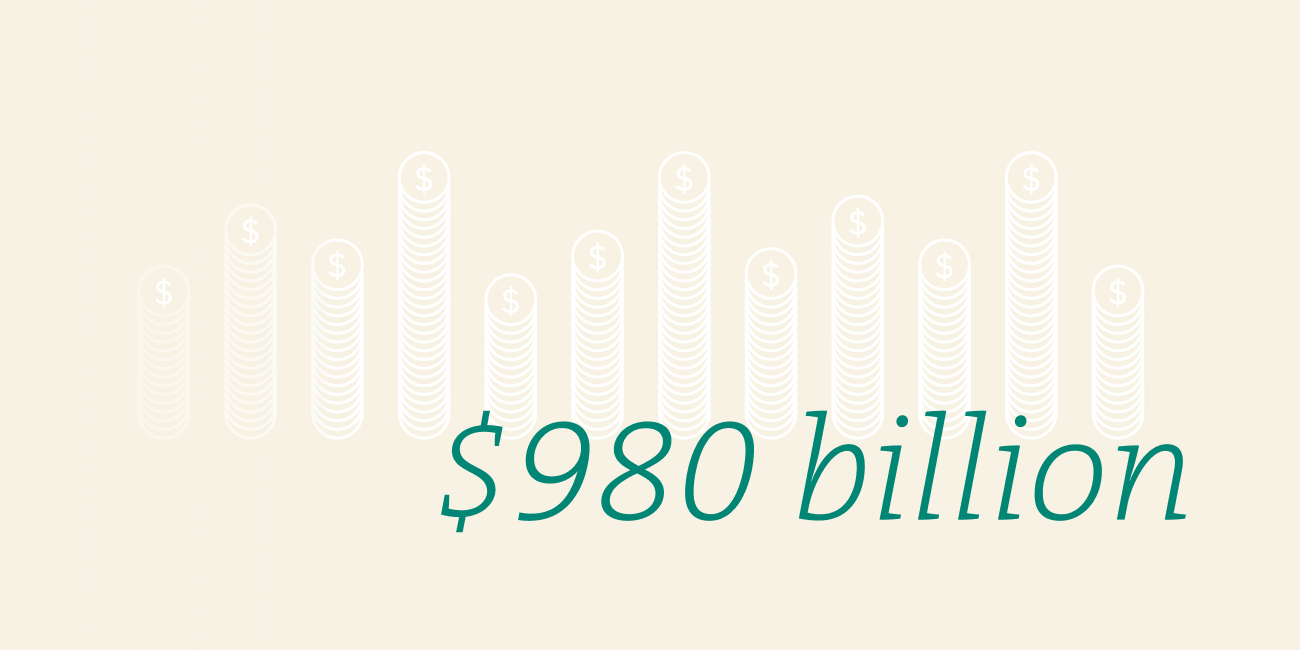
$225 billion in Europe⁵. These include direct costs (medical expenses incurred in the healthcare system) and indirect costs (productivity losses due to reduced participation in the workforce, early retirement, etc.). In addition, there are non-monetary costs, which are mainly due to the reduced quality of life of those affected. Tinnitus generates higher economic costs than many other chronic diseases (e.g., COPD).⁶ 55% of working people with hearing aids believe their devices help them stay employed longer.⁸ Hearing solutions can help align actual retirement age with statutory retirement age.
In Germany, for example, 28% of people with hearing loss who received a doctor’s recommendation still don’t use hearing aids. Only 4% of prescribed hearing aids go unused – Compared to 20–50% of patients with chronic illness not taking their medication.⁸
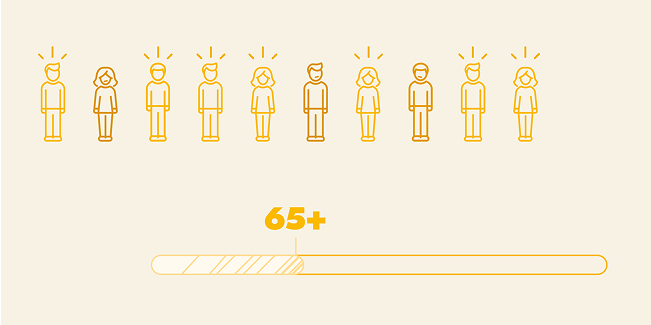
By 2050, 30% of Europe’s population will be over 65. Preserving hearing ability is key to extending healthy life expectancy (longevity) and preventing comorbidities like dementia and depression.¹⁰ Public Health Systems Matter There is a significant correlation between the acceptance of hearing solutions and the support of public health systems.¹¹ The WHO estimates that for every euro invested in hearing care and protection, there is a return of €31 within 10 years.¹
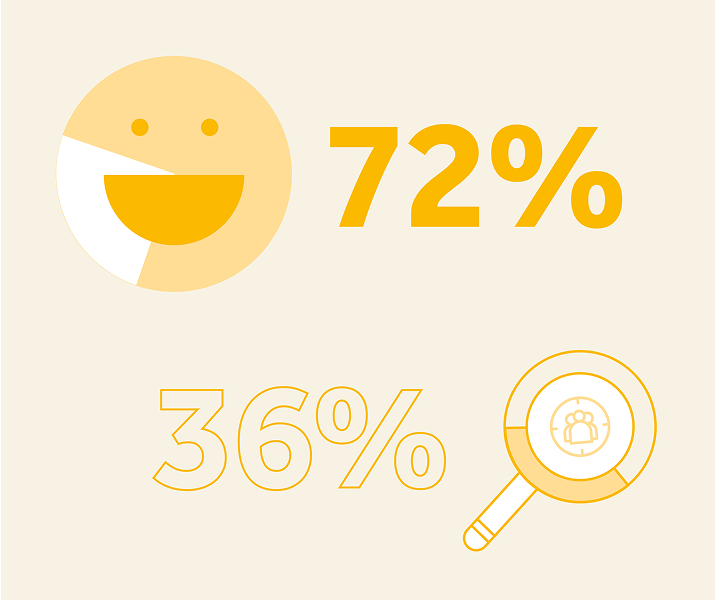
72% of hearing aid users say “never” when asked if people make fun of or reject them because of their hearing aids. Only 36% of untreated individuals with hearing loss say the same.⁷ In fact, people with hearing aids experience less rejection.

Public Affairs | [email protected]